⛟ Free delivery on orders over £60*
⏱ Next day delivery options
Explore the range of pool cleaners
⚗ Save time on maintenance with pool dosing systems


Looking for product…?
Pool Pumps
Showing 73–73 of 73 results

The pump is the heart of your pool. It pushes every drop through the filter, keeps the water clear and does it quietly in the background. Get the size right and the water stays healthy on less electricity. Below you will find the right pump for your pool, a sizing table that does the maths, and the real saving a variable-speed pump makes.
Reviewed by the accredited engineering team at Blue Cube Pools, our parent company, with 25+ years fitting and commissioning pool plant from our Sharnbrook, Bedfordshire base. UK Pool & Spa Gold winners for Pool Technician and Silver winners for Energy Efficiency, so the sizing and savings advice here comes from award-winning engineers, not a box-shipper.




Members ofSPATAISPEPWTAGBISHTACIMSPA
Last updated 15 November 2026
Variable, single-speed & commercial
PWTAG-aligned sizing
Free plant-room photo check
Find the right pool pump
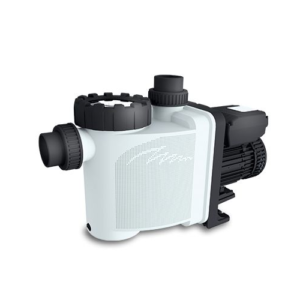
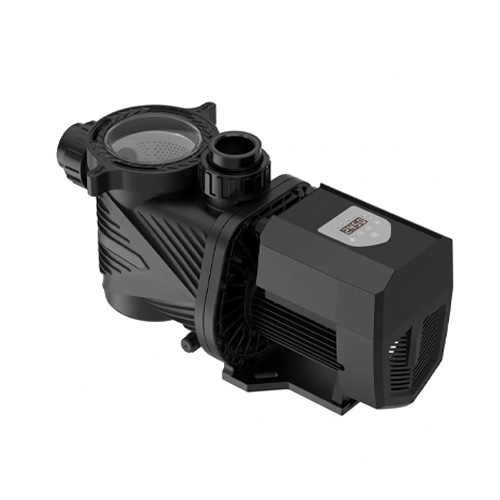
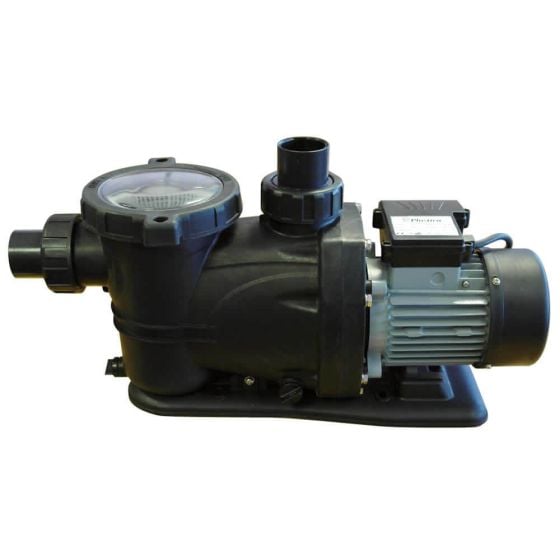
Pick the type that fits your pool, or use the sizing table below to match a pump to your water volume. Want us to check it against your plant room? Send us a photo.




Brands we stock




We supply pumps from Hayward, Speck Badu, Certikin, Waterco, Sta-Rite, Calpeda, Plastica, PPG, Hurricane, iGarden, Clever and more, with genuine manufacturer warranties.
How to choose a pool pump
1
Match the flow to your pool
The pump has to turn your whole pool through the filter in a set time. Work out your water volume, pick a turnover of four to six hours, and that gives the flow rate you need. The sizing table below does the maths for you.
2
Single-speed or variable-speed
A single-speed pump runs flat out whenever it is on. A variable-speed pump slows down for everyday filtering and only ramps up when needed, which is far quieter and much cheaper to run. The payback table below shows the difference in pounds.
3
Mind the head, not just the horsepower
Horsepower alone does not set your flow. Narrow pipework, bends, a dirty filter and a long run all add resistance, called head. A pump rated at one flow on paper can deliver less in a real plant room, so size with head in mind.
4
Check it fits before you buy
A new pump has to line up with your existing unions and sit right for your suction. Our engineers will match the footprint and union size to your current setup so you are not re-plumbing the plant room. Send a photo and we will confirm the swap.
Sizing table: pool volume to flow rate
A pump is sized by turnover, how long it takes to push your whole pool through the filter once. PWTAG guidance for a home pool is a turnover of roughly four to six hours. Find your volume, read across for the flow rate you need, then match a pump.
Guide figures from the turnover maths. Real flow also depends on your pipework and head, so a pump rated at one flow on paper delivers a little less through narrow pipe or a dirty filter. Tell us your pool size and plant room and we will size it exactly.
Variable-speed saving: the payback
A single-speed pump runs at full power every time it is on. A variable-speed pump does the daily filtering slowly and quietly, drawing a fraction of the power. Here is the difference on a typical home pool, at the October to December 2026 price-cap rate of about 26.3p per kWh.
A worked guide, not a quote. Figures assume the stated hours and speeds; your pool, tariff and run time will move them. Run a variable-speed pump year round and the saving roughly doubles, which is why it usually pays back the price difference inside one to two seasons.
Fitting and replacing a pump
Power and isolation. Home pumps run on 230V single-phase, larger commercial pumps on 400V three-phase. The pump wires to a dedicated IP-rated rotary isolator with proper equipotential bonding, work that should meet Part P and be done by a qualified electrician.
Suction and self-priming. If the pump sits above the pool water level, in a shed or garage, choose a self-priming pump so it can lift water and hold its prime. Below the water line, a standard pump is fine.
Unions and footprint. Pumps connect with threaded unions, usually 50mm or 63mm. For a straight swap the new pump needs to match your existing union size and sit on the same footprint, or you are re-plumbing. This is the one that catches people out.
Salt water. A salt pool needs a pump with a 316 stainless seal and a corrosion-resistant body, so check the spec if you run a salt chlorinator.
Not sure it will fit? Send us a photo
Replacing a pump that has seized or leaked is stressful when you cannot tell if the new one will line up. Send us a photo of your current pump and plant room and one of our accredited engineers will match the union size and footprint, confirm the electrical supply, and tell you the right drop-in replacement before you spend a penny.
Send a photo of your plant roomNew to pool plumbing? Start with our beginner pool guide, or ask our engineers.
Pool pump FAQs
What size pool pump do I need?
Size the pump by how fast it turns your whole pool through the filter. Work out your pool volume in cubic metres, aim to turn it over once every four to six hours, and that sets the flow rate you need. For a 50 m³ pool that is roughly 8 to 13 m³/h. Use the sizing table above as your starting point, then allow for your pipework.
Is a variable-speed pump worth it?
For most pools, yes. A variable-speed pump runs slowly for everyday filtering and only speeds up when needed, so it is far quieter and uses a fraction of the electricity of a single-speed pump. On our worked example it saves around £170 a season, which usually pays back the price difference within one to two seasons.
What is a self-priming pool pump?
A self-priming pump can pull water up to it when the pump sits above the pool water level, which is common when the plant room is in a shed or garage. If your pump is not below the water line, choose a self-priming model so it can clear air from the suction line and keep its prime.
Which pump suits a salt water pool?
Salt is corrosive, so a salt pool wants a pump built to handle it. Look for a 316 stainless steel mechanical seal and shaft and a corrosion-resistant body. Several of our commercial pumps, such as the Waterco and Hurricane models, are built this way.
How do I get a quieter pump?
Two things make a pump quieter. A variable-speed model running at low speed is far quieter than a single-speed pump at full tilt, and good mounting away from a boundary helps. If noise near a fence line is a concern, a variable-speed pump is the simplest fix.
Can I just swap my old pump for a new one?
Often yes, as long as the new pump matches your union size and footprint so it lines up with your existing pipework. The safest way is to send us a photo of your current pump and plant room. Our engineers will match the unions, usually 50mm or 63mm, and confirm the swap before you buy.
Single or three-phase pump?
Most home pools run a single-phase 230V pump. Larger commercial pumps are often three-phase 400V for a bigger, steadier duty. Check the supply in your plant room before buying, and have the wiring and isolator fitted by a qualified electrician to Part P.