⛟ Free delivery on orders over £60*
⏱ Next day delivery options
Explore the range of pool cleaners
⚗ Save time on maintenance with pool dosing systems


Looking for product…?
Dosing and Testing
Showing 1–12 of 38 results

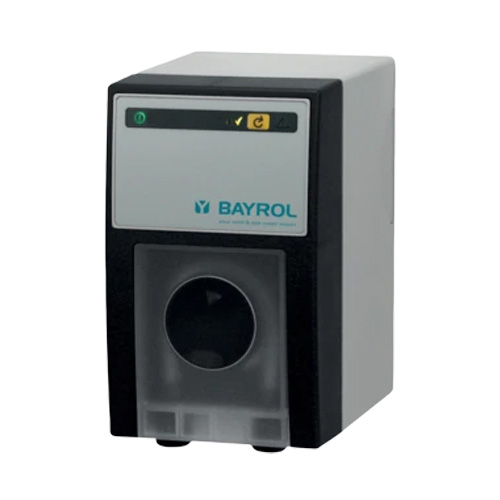


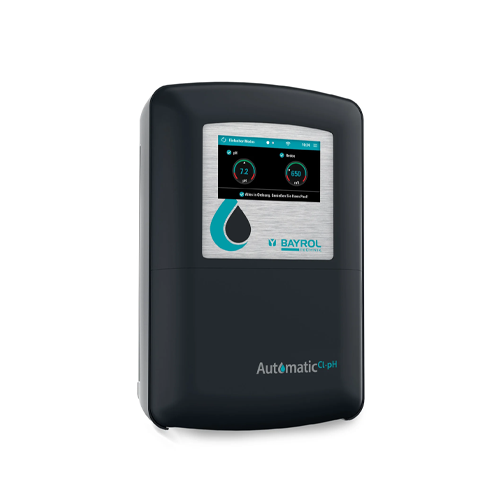
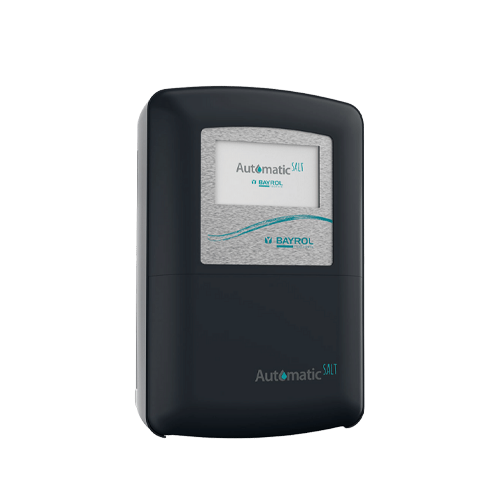


Automatic Dosing & Control
Automatic pool dosing: perfect water, done for you
Stop testing and guessing. An automatic dosing system reads your water around the clock and adds exactly what it needs, so the pool stays clear, balanced and ready whether you are home or away. From a single chlorine and pH controller to a full pool management system, here is how to choose the right one.Shop by type of dosing system
All of these automate the daily chemistry. They differ in how much they handle and how hands-off you want to be.Which dosing system is right for you?
Start with how much you want it to handle, and your pool size.Compare the dosing systems
The main systems side by side, so you can match one to your pool and how hands-on you want to be.Prices are a guide. See the live price and full specification on each product.